How to Check a VIN for Vehicle Specifications (Engine, Trim, Features)

How to Check a VIN for Vehicle Specifications in Canada (Engine, Trim, Features)
When shopping for a used car in Canada, listings often describe features and trims loosely. Two vehicles with the same model name can differ significantly in engine type, drivetrain, and factory-installed options. The most reliable way to confirm what a vehicle was actually built with is by checking its Vehicle Identification Number (VIN).
This guide explains how to check a VIN for vehicle specifications in Canada, including engine, trim, and key features—and why VIN-based verification matters before you agree on a price.
Why VIN-Based Specs Matter
Badges, seller descriptions, and aftermarket modifications can be misleading. VIN-based specs reflect the factory configuration and help buyers:
- Verify the exact engine and drivetrain
- Confirm trim level and original features
- Avoid overpaying for misrepresented vehicles
- Ensure parts compatibility and service accuracy
What Vehicle Specs a VIN Can Reveal
A VIN links a vehicle to manufacturer build data. Depending on make and year, VIN decoding may confirm:
- Engine: displacement, fuel type (gas, diesel, hybrid), and configuration
- Drivetrain: FWD, RWD, AWD/4WD
- Transmission: manual or automatic variants
- Body style: sedan, hatchback, SUV, pickup
- Trim level: base vs premium configurations
This information is especially important when similar trims carry large price differences.
Engine and Powertrain Verification
Engine swaps and incorrect listings are more common than buyers expect. VIN-based checks help confirm:
- Original engine type and size
- Factory fuel system
- Emissions classification tied to the build year
Verifying the engine before purchase can prevent registration, inspection, or insurance issues later.
Trim Level and Factory Features
Trim levels often determine:
- Safety technology availability
- Infotainment systems
- Interior materials and seating options
VIN decoding helps distinguish factory features from aftermarket additions that do not increase long-term value.
Using VIN Specs to Validate Price
Vehicle value depends heavily on verified specs. Buyers should combine VIN-based specs with price evaluation:
- Decode the VIN to confirm engine and trim
- Compare asking price to similarly equipped vehicles
- Adjust the offer if listed features don’t match factory data
This approach supports fair negotiation and avoids paying for features the vehicle never had.
VIN Specs vs Seller Claims
| Seller Claim | VIN-Based Reality |
|---|---|
| “Top trim” | Mid-level trim |
| “Bigger engine” | Base engine |
| “Factory AWD” | FWD configuration |
Discrepancies should always be clarified before proceeding.
VIN Specs and Other Risk Checks
Specification checks work best when combined with broader VIN-based research, including:
- Accident and damage indicators
- Lien and ownership checks
- Theft screening
- Recall verification
Together, these checks provide a complete picture of what you’re buying.
How to Check Specs Using a VIN
Before finalizing a purchase:
- Locate and verify the VIN on the vehicle
- Confirm the VIN matches registration documents
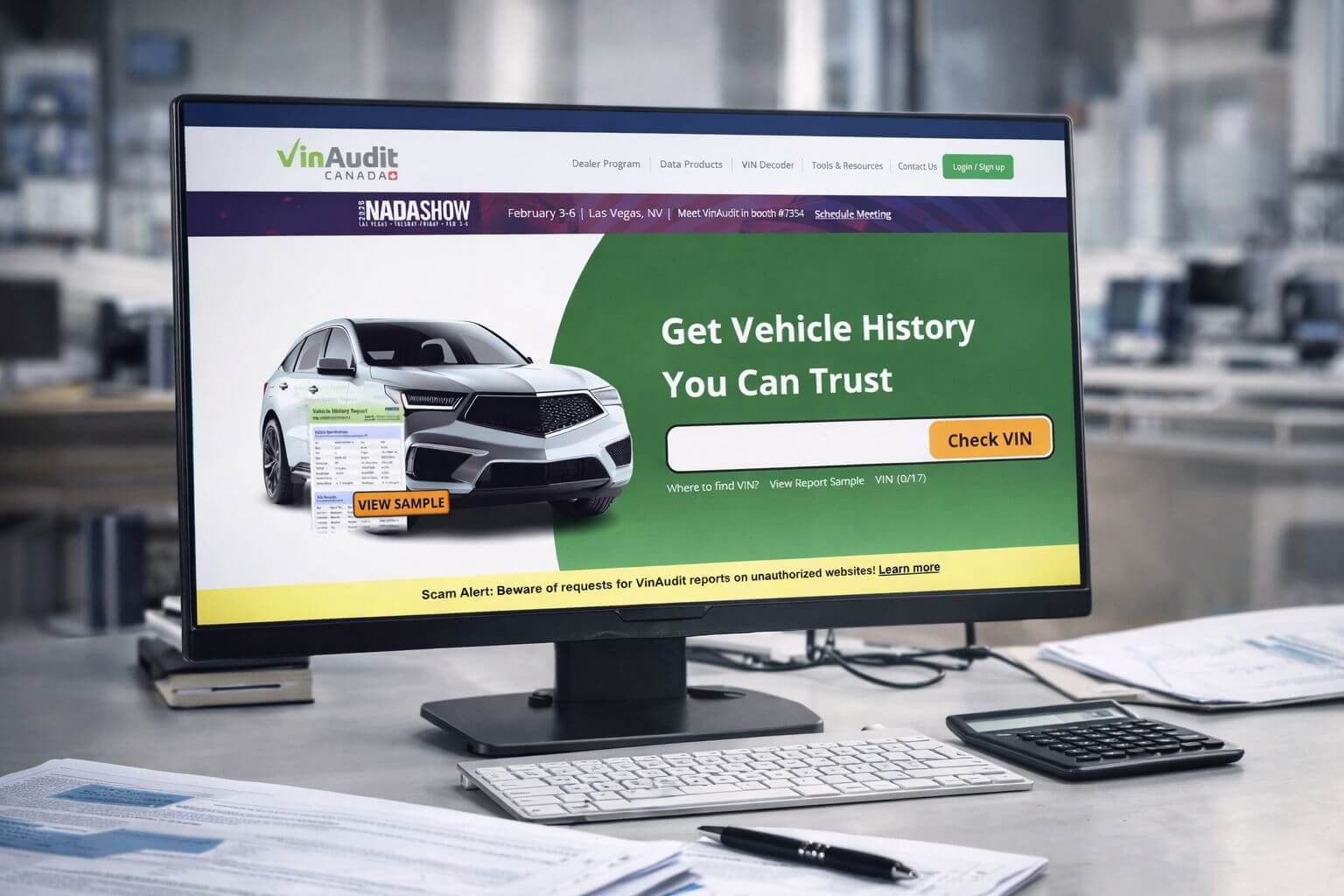
- Review build specs and configuration in a vehicle history report
- Compare findings with the listing and physical inspection
VIN-based spec checks should be completed before price negotiations.
Common Misconceptions About VIN Specs
- “All trims are basically the same” — false
- “Aftermarket upgrades equal factory options” — incorrect
- “Model year guarantees features” — unreliable
VIN decoding helps separate assumptions from facts.
Final Thoughts
Knowing how to check a VIN for vehicle specifications in Canada helps buyers verify engine, trim, and features with confidence. VIN-based specs provide a factual baseline that listings and badges cannot guarantee.
Before buying a used vehicle, always decode the VIN, confirm factory specs, and use the information to support fair pricing and informed decisions.