How to Check Car Value Using a VIN Number in Canada
How to Check Car Value Using a VIN Number in Canada
When buying or selling a used car in Canada, price is often negotiated based on mileage, age, and condition. However, two vehicles that look identical can have very different values depending on their VIN-based history.
This guide explains how to check car value using a VIN number in Canada, why VIN-level details matter more than generic pricing tools, and how buyers can avoid overpaying for vehicles with hidden risks.
Why VIN-Based Valuation Is More Accurate
Many online price estimates rely on broad assumptions such as model year and average mileage. A VIN-based approach is more precise because it reflects:
- Exact build configuration and trim
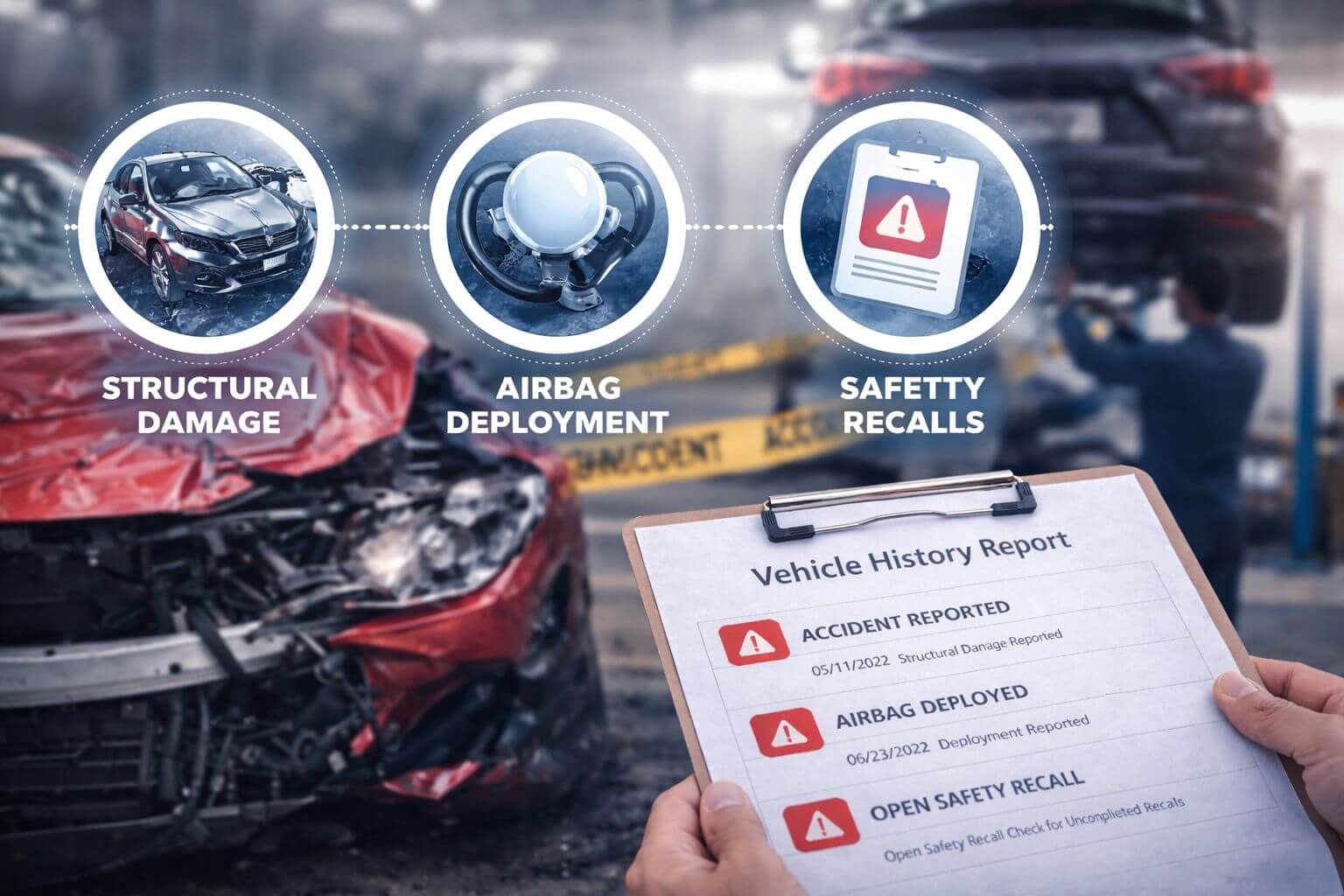
- Accident and damage indicators
- Ownership and usage signals
- Branding such as salvage or rebuilt status
These factors can significantly raise or lower a vehicle’s real-world value.
What the VIN Reveals That Affects Value
A Vehicle Identification Number (VIN) links a car to historical and specification data that directly impacts pricing.
Vehicle Specs and Build Details
VIN decoding can confirm:
- Exact model year (not just registration year)
- Engine and drivetrain configuration
- Body style and trim level
Misrepresented specs are a common reason buyers overpay.
Accident and Damage Indicators
Accident history often reduces resale value, even if repairs appear cosmetic.
VIN-based vehicle history data may reveal:
- Reported collision events
- Structural or severe damage indicators
- Salvage or rebuilt branding
For deeper context, buyers should understand how vehicle accident history in Canada affects pricing.
Lien and Ownership Signals
Outstanding liens or ownership irregularities can affect both value and transferability.
Before relying on a price estimate, buyers should review guidance on checking if a car has a lien in Canada, especially for private sales.
Theft and Recovery Indicators
Vehicles with theft or recovery history may carry reduced market value and higher insurance scrutiny.
VIN-based screening helps buyers assess these risks before agreeing on price.
How to Use a VIN to Evaluate Price Fairness
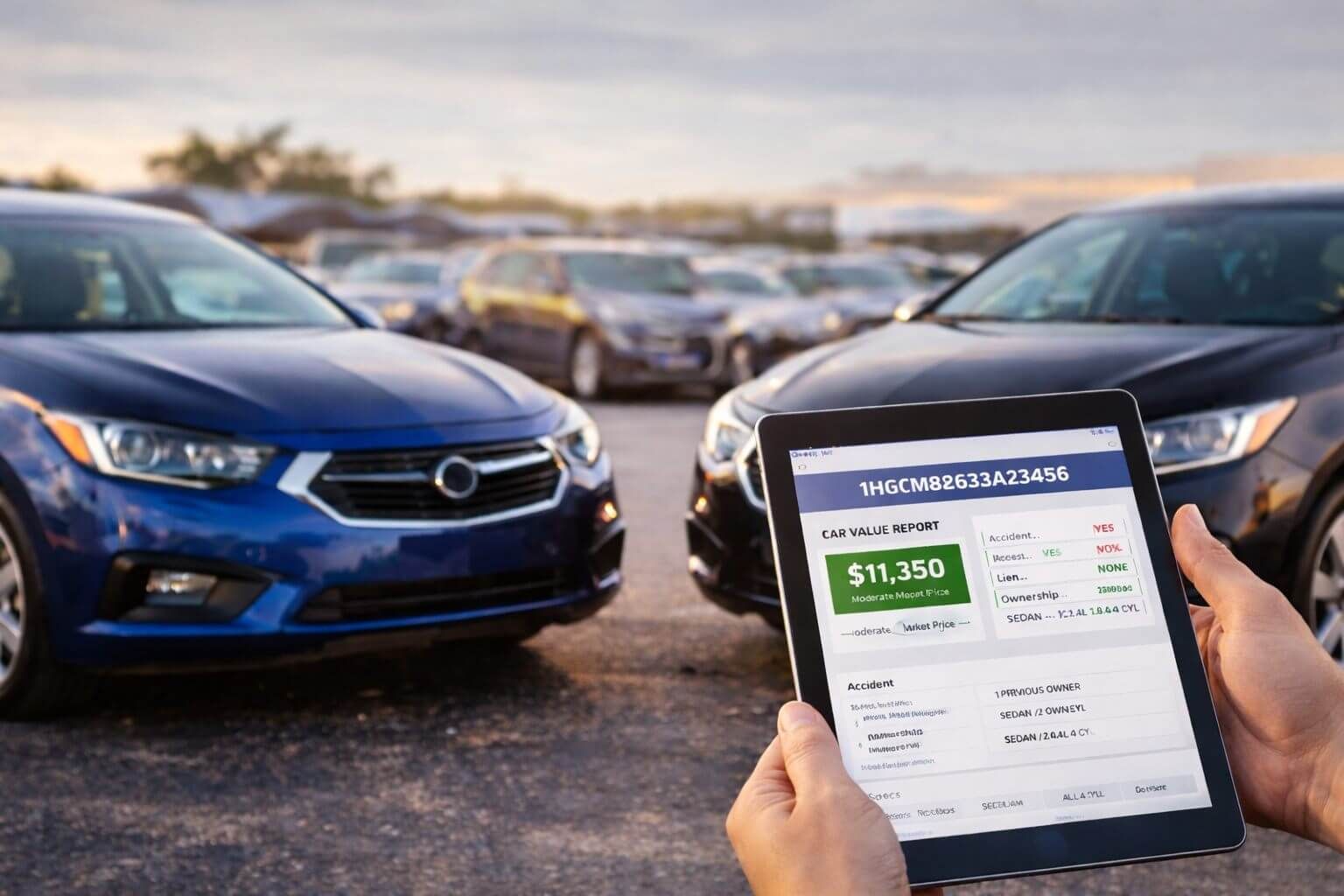
Rather than treating VIN checks and price estimates separately, buyers should combine them:
- Decode the VIN to confirm specs and build
- Review accident, lien, theft, and recall indicators
- Compare asking price against similar vehicles with clean history
- Adjust offer based on verified risks
This approach leads to more informed and defensible pricing decisions.
VIN-Based Value vs Generic Price Guides
| Pricing Method | Limitation |
|---|---|
| Generic price guides | Ignore vehicle-specific history |
| Mileage-only adjustments | Miss structural and legal risks |
| VIN-based evaluation | Reflects real-world condition and risk |
VIN-based evaluation provides context that generic tools cannot.
When a Lower Price Is Not a Bargain
A discounted price may signal underlying issues such as:
- Prior accidents or damage
- Unresolved liens
- Theft-related history
- Recall or branding concerns
VIN verification helps determine whether a lower price reflects value—or hidden problems.
Using VIN Reports Alongside Pricing Tools
VIN-based vehicle history reports are not price calculators. Instead, they help buyers:
- Validate whether a price is justified
- Identify risks that should affect negotiation
- Decide when to walk away
For consolidated VIN data and risk indicators, buyers can review a vehicle history report before finalizing price discussions.
Final Thoughts
Knowing how to check car value using a VIN number in Canada helps buyers move beyond surface-level pricing and make smarter decisions. A vehicle’s true value depends on its verified history, not just its appearance or mileage.
Before agreeing on a price, always decode the VIN, review history indicators, and adjust your offer based on confirmed risks. This approach protects both your budget and your peace of mind.