
How to Check a Trailer VIN Before Buying
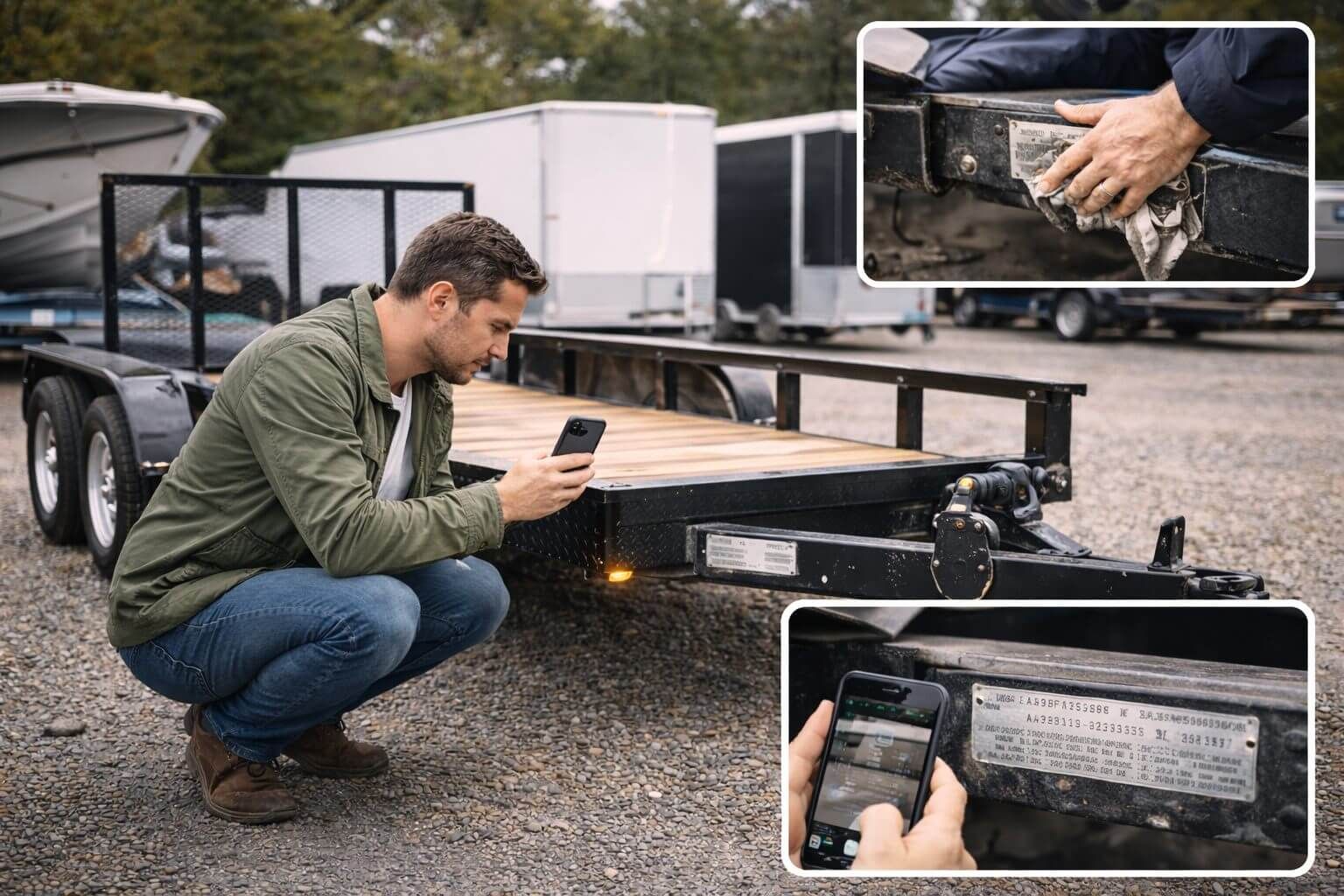
How to Check a Trailer VIN Before Buying
Buying a used trailer—whether utility, cargo, boat, or equipment—can look straightforward, but trailers often come with fewer records and less standardized paperwork than cars. That makes verification especially important.
This guide explains how to check a trailer VIN before buying, what a trailer VIN can tell you, and how to reduce ownership and registration risks in Canada.
Why Trailer VIN Checks Matter
Trailers are frequently sold privately and may change hands multiple times without consistent documentation. Without proper verification, buyers risk:
- Purchasing a stolen trailer
- Buying a trailer that cannot be registered
- Discovering incorrect size, weight, or model claims
- Facing problems with resale or insurance
The Vehicle Identification Number (VIN) is the most reliable way to confirm a trailer’s identity.
Step 1: Locate the VIN on the Trailer
Trailer VIN placement varies by type and manufacturer, but common locations include:
- The tongue or hitch frame near the coupler
- The front frame rail on the driver side
- A metal VIN plate welded or riveted to the frame
Because trailers are exposed to the elements, VINs may be dirty or partially obscured. Clean the area carefully before inspection.
Step 2: Inspect the VIN for Legitimacy
A legitimate trailer VIN should:
- Appear professionally stamped or affixed
- Contain 17 characters for most modern trailers
- Show no signs of grinding, re-stamping, or alteration
Be cautious if the VIN is missing, unreadable, or looks tampered with.
Step 3: Run a Trailer-Specific VIN Check
Once located, use the VIN to verify the trailer’s identity. Running a trailer VIN check helps confirm whether the VIN is valid and whether the trailer matches the seller’s description.
VIN verification is especially important when sellers claim:
- A specific manufacturer or model
- Particular size or weight ratings
- Recent model years
Step 4: Confirm Trailer Details and Specs
A trailer VIN may help verify:
- Manufacturer and model
- Year of manufacture
- Gross Vehicle Weight Rating (GVWR)
- Trailer type (utility, cargo, boat, equipment)
Specs matter for towing compatibility, legal use, and resale value.
Step 5: Watch for Ownership and Registration Issues
Trailer registration rules vary by province and trailer type. Buyers should confirm:
- Whether the trailer must be registered
- If registration can be transferred
- What documentation is required
Trailers without proper documentation can be difficult to register after purchase.
Common Trailer VIN Red Flags
Be cautious if you notice:
- Missing or altered VIN plates
- Sellers unwilling to provide the VIN
- Prices far below market value
- Inconsistent claims about size or capacity
These warning signs often indicate deeper problems.
Trailer VIN Checks vs Physical Inspection
| VIN Check Helps With | Physical Inspection Helps With |
|---|---|
| Verifying manufacturer | Assessing frame condition |
| Confirming model year | Checking rust or damage |
| Screening for theft | Evaluating tires and brakes |
Both steps are essential for informed buying decisions.
Final Thoughts
Knowing how to check a trailer VIN before buying helps protect you from theft, misrepresentation, and registration problems. Trailer VIN verification provides clarity that listings and verbal claims often lack.
Before purchasing a used trailer, locate the VIN, inspect it carefully, and verify it using a trailer-specific VIN check. Taking these steps early can prevent costly issues later.