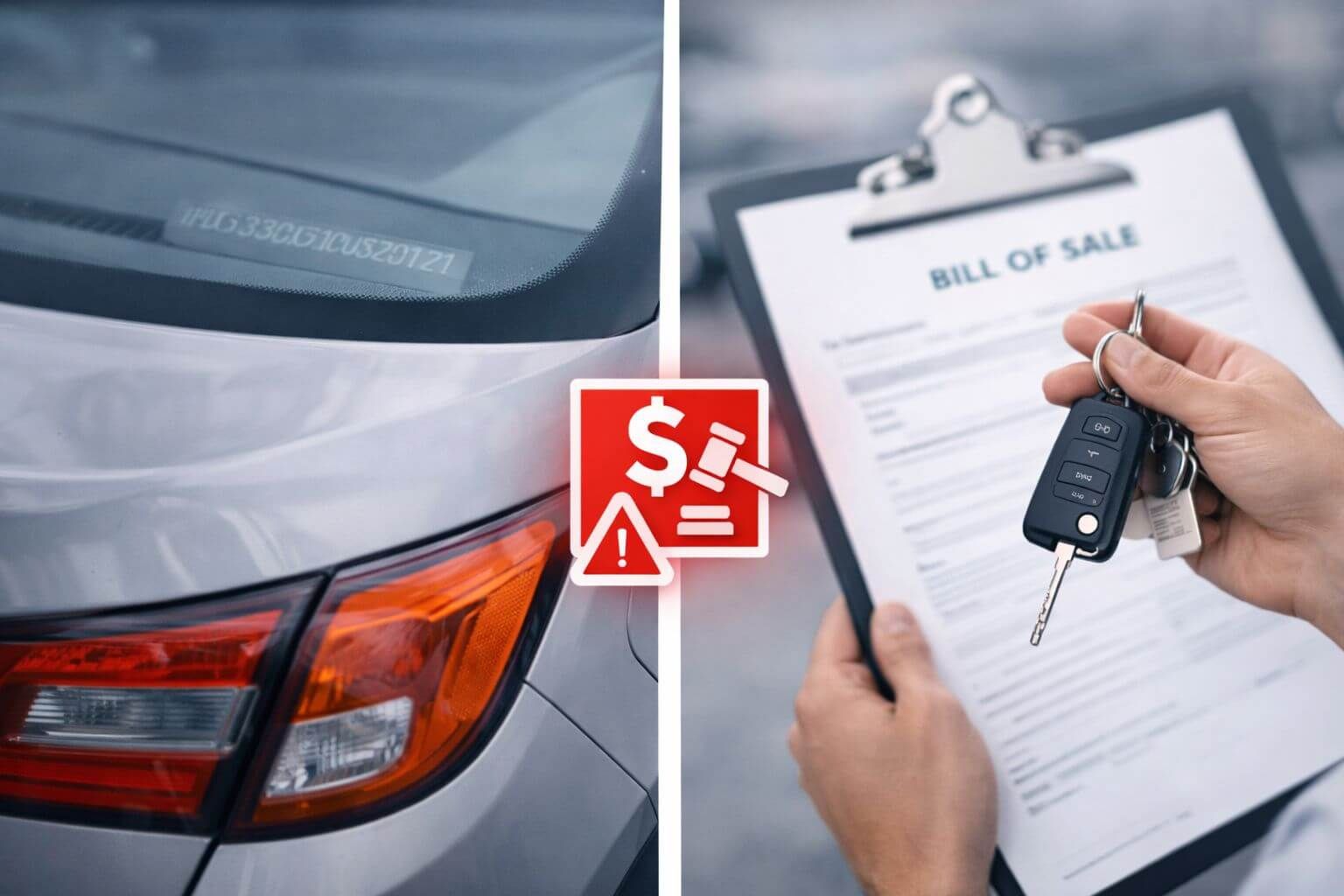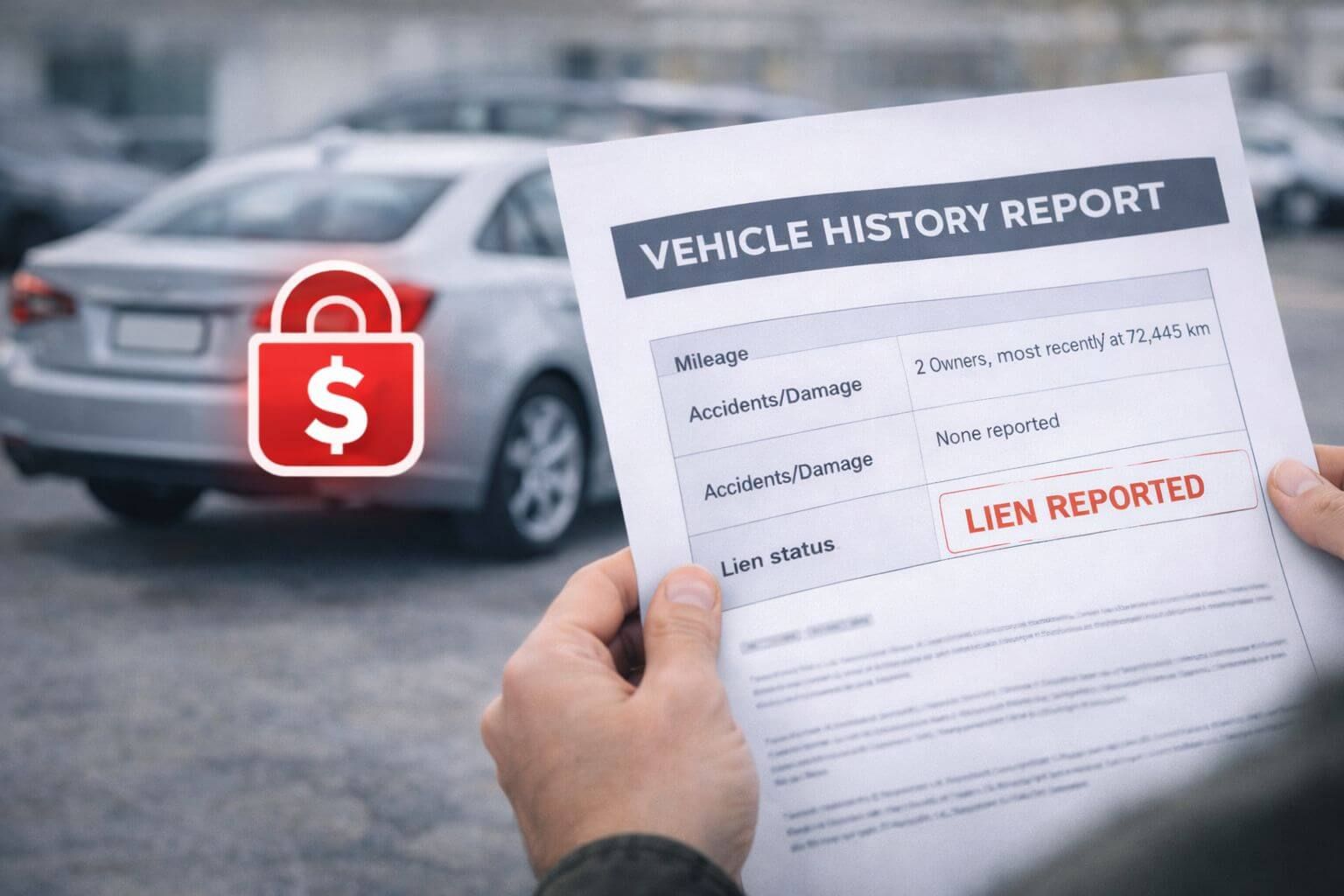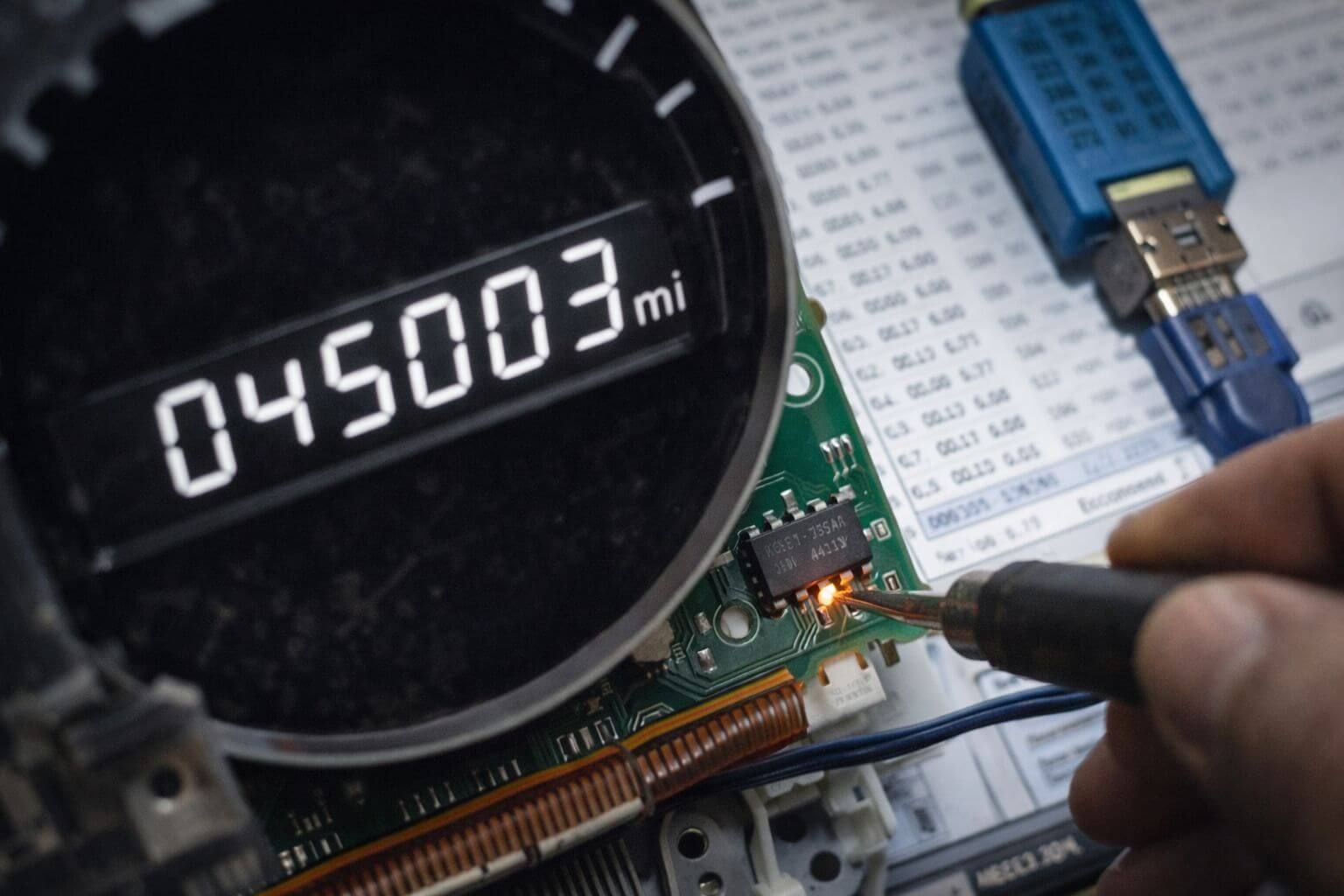
How to Check a VIN for a Salvage or Rebuilt Title in Canada
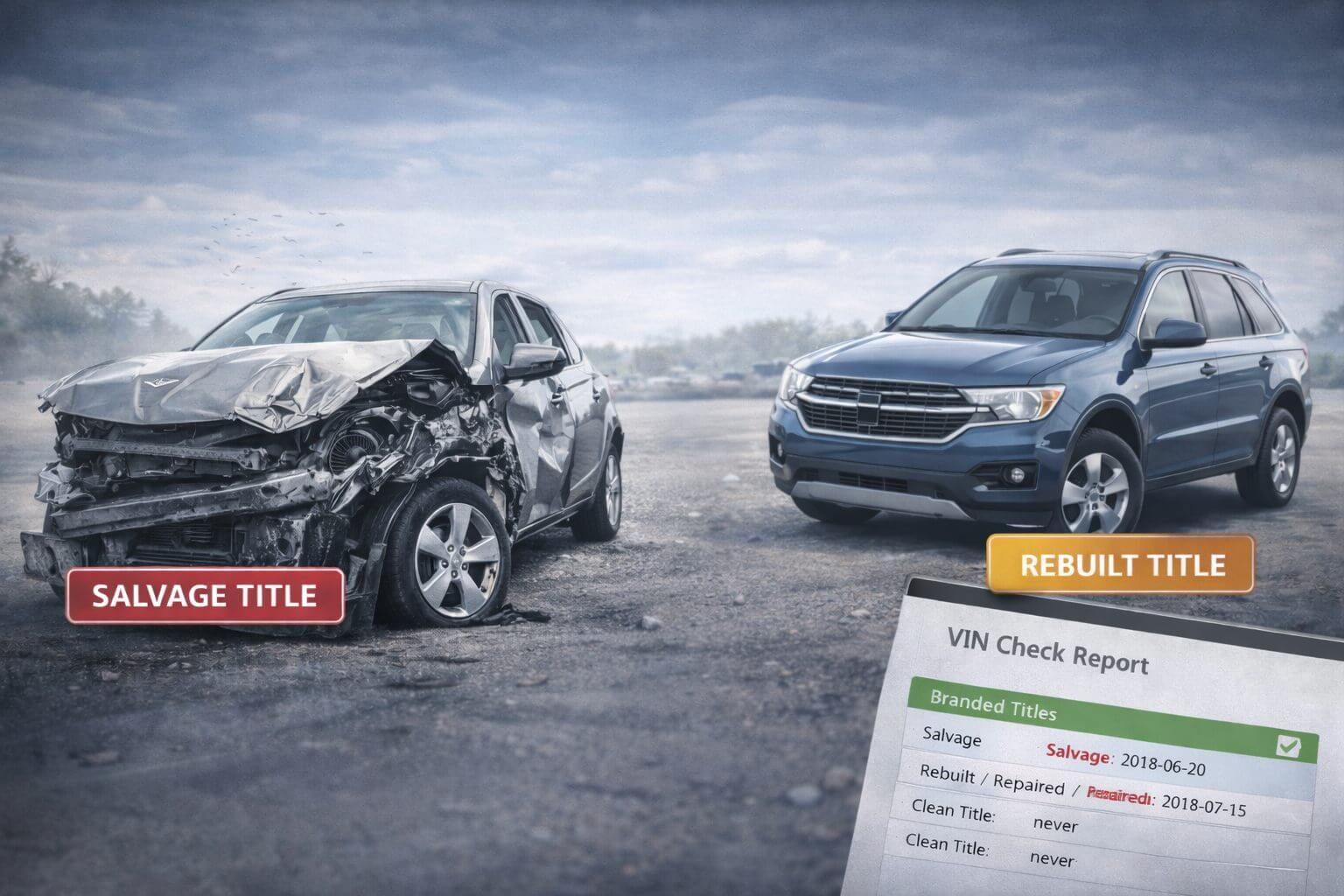
How to Check a VIN for a Salvage or Rebuilt Title in Canada
In Canada, a vehicle’s title status has a major impact on safety, insurability, and resale value. Cars that have been written off after severe damage may later return to the road with a salvage or rebuilt title—sometimes without buyers fully understanding what that means.
This guide explains how to check a VIN for a salvage or rebuilt title in Canada, how title branding works, and why VIN-based verification is essential before you buy.
What Is a Salvage or Rebuilt Title?
A salvage or rebuilt title indicates that a vehicle was previously declared a total loss due to significant damage. Common causes include:
- Major collisions
- Flood or fire damage
- Severe structural or frame damage
After repairs and inspections, some salvage vehicles are reclassified as rebuilt and allowed back on the road.
Why Title Branding Matters to Buyers
Vehicles with salvage or rebuilt status may:
- Have reduced structural integrity
- Be harder or more expensive to insure
n- Carry lower resale value - Require additional inspections or disclosures
Even when repairs look professional, underlying risks may remain.
How Title Branding Works in Canada
Canada does not use a single national title branding system. Instead, branding is managed at the provincial level, with rules that may vary between provinces.
Key points buyers should understand:
- Branding follows the vehicle, not the owner
- A vehicle branded in one province may later be registered elsewhere
- Disclosure requirements vary by jurisdiction
VIN-based checks help surface branding indicators across records.
How VIN-Based Checks Identify Salvage or Rebuilt Status
A vehicle’s Vehicle Identification Number (VIN) links it to available branding records and damage indicators. Reviewing VIN-based vehicle history information can help buyers:
- Identify salvage or rebuilt branding
- Detect severe damage indicators
- Understand how branding affects value
Because branding may originate in another province, VIN-based aggregation is critical.
Step-by-Step: Checking for Salvage or Rebuilt Title
- Locate and verify the VIN on the vehicle
- Compare the VIN with registration documents
- Review branding indicators in a vehicle history report
- Ask the seller for full disclosure and repair documentation
Branding checks should be completed before agreeing on price or transfer.
Salvage vs Rebuilt vs Clean Title
| Title Status | What It Means |
|---|---|
| Clean | No total-loss branding |
| Salvage | Total loss, not road-legal |
| Rebuilt | Previously salvage, repaired and inspected |
Understanding the difference is critical when evaluating risk.
How Salvage or Rebuilt Status Affects Value
Vehicles with branding typically:
- Sell for less than clean-title vehicles
- Face insurance limitations
- Require careful inspection before purchase
Buyers evaluating price should understand how VIN-based history affects car value before negotiating.
Common Myths About Salvage and Rebuilt Titles
- “Rebuilt means like new” — false
- “All salvage cars are unsafe” — not always
- “Title branding disappears over time” — incorrect
Accurate VIN checks help separate facts from assumptions.
Final Thoughts
Knowing how to check a VIN for a salvage or rebuilt title in Canada helps buyers avoid vehicles with undisclosed damage history and pricing traps. Title branding has long-term implications that go beyond appearance.
Before buying any used vehicle, always verify the VIN, review branding indicators, and adjust your offer based on confirmed title status. VIN-based checks provide critical transparency in this process.