Is VinAudit Legit? What a Vehicle History Report Can (and Can't) Tell You
Is VinAudit Legit? What a Vehicle History Report Can and Can’t Tell You
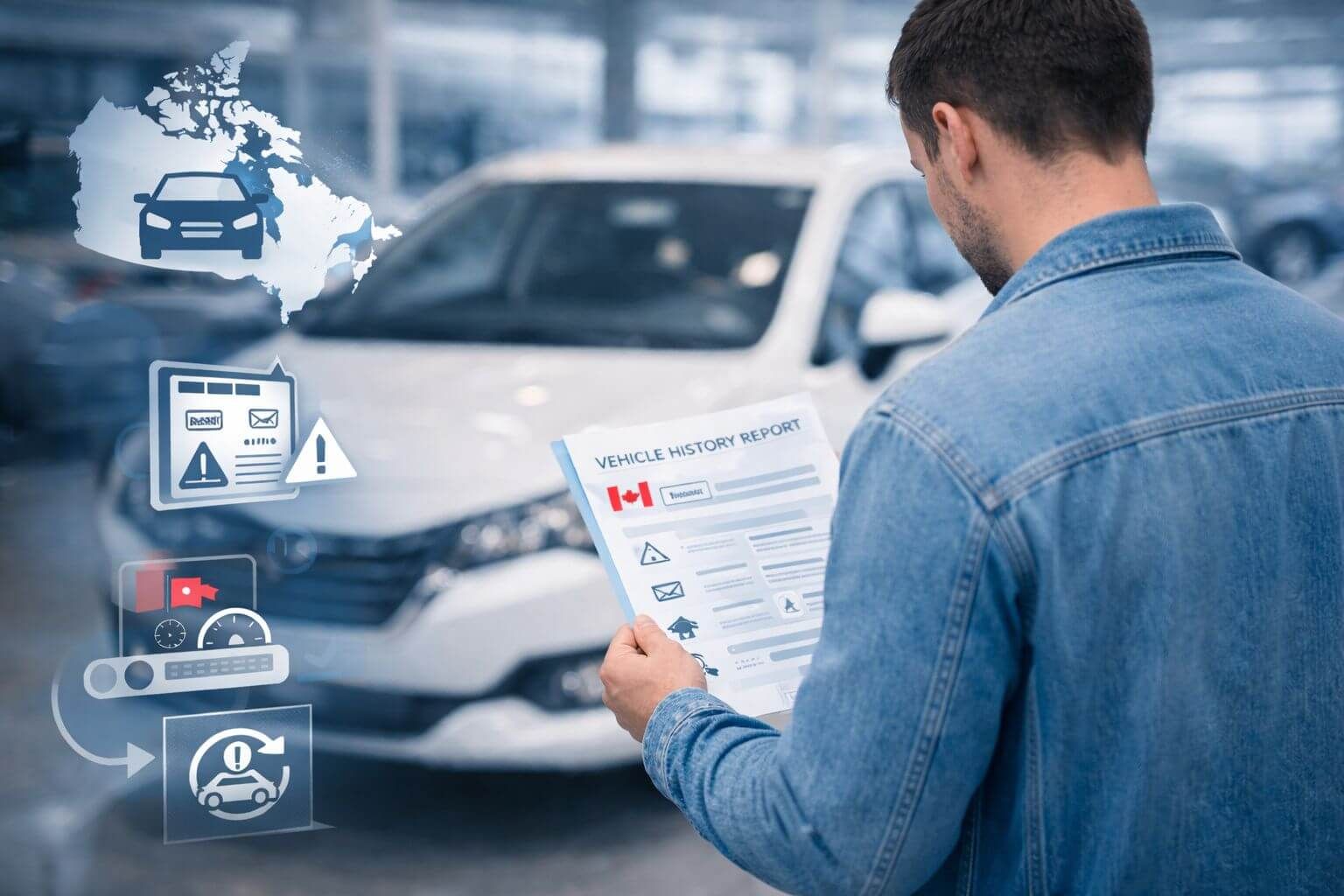
When researching used cars in Canada, many buyers ask a fair question: Is VinAudit legit? With so many claims online about VIN checks and vehicle history services, it is important to understand what a professional vehicle history report actually provides and where its limitations begin.
This guide explains what a vehicle history report can and can’t tell you, how VinAudit fits into the Canadian market, and how buyers can use reports responsibly when shopping for a used vehicle.
What “Legit” Means for Vehicle History Reports
A legitimate vehicle history provider should do more than just return data. It should present VIN-based information in a way that is accurate, transparent, and useful to buyers making real purchasing decisions.
A legitimate provider typically:
- Uses VIN-based data from recognized industry and government-linked sources
- Clearly explains data coverage and reporting limitations
- Does not make unrealistic promises or guarantees
- Encourages buyers to verify findings with inspections and supporting documents
In this context, legitimacy is not about hype. It is about trustworthy reporting, transparency, and responsible use.
What a Vehicle History Report Can Tell You
A VIN-based report helps buyers consolidate available records associated with a specific vehicle. Depending on data availability, a report may provide insight into:
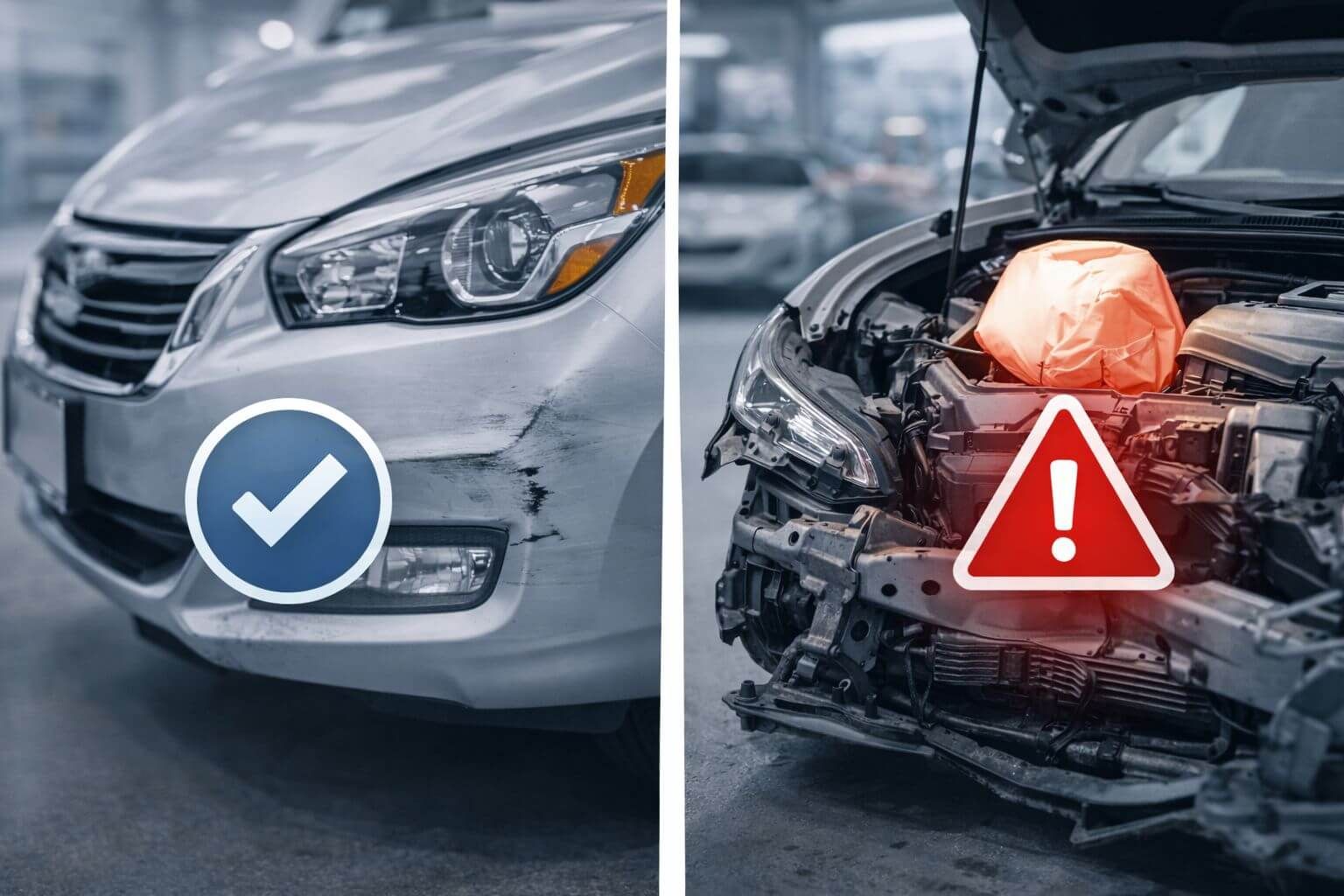
- Accident or damage indicators
- Lien or financial claim signals
- Theft or recovery-related flags
- Recall and safety-related information
- Vehicle identification and specification details
This information can help buyers reduce risk, identify warning signs earlier, and ask better questions before moving forward with a sale.
What a Vehicle History Report Cannot Guarantee
No provider can guarantee a perfectly complete history for every vehicle. That is an important part of using these tools responsibly.
Common limitations include:
- Unreported accidents or private cash repairs
- Delays in data reporting
- Provincial or cross-border data gaps
- Mechanical issues that only a physical inspection can uncover
Even the best VIN-based data should be treated as part of a larger due diligence process, not as a substitute for inspection or independent verification.
Why VIN-Based Reports Still Matter
Despite their limitations, VIN-based reports remain one of the most useful tools available to used car buyers because they:
- Aggregate records buyers may not be able to collect on their own
- Highlight red flags that deserve deeper investigation
- Reduce reliance on seller claims alone
- Support more informed purchase decisions
In other words, a report works best as a decision-support tool, not a final guarantee.
How VinAudit Fits Into the Canadian Market
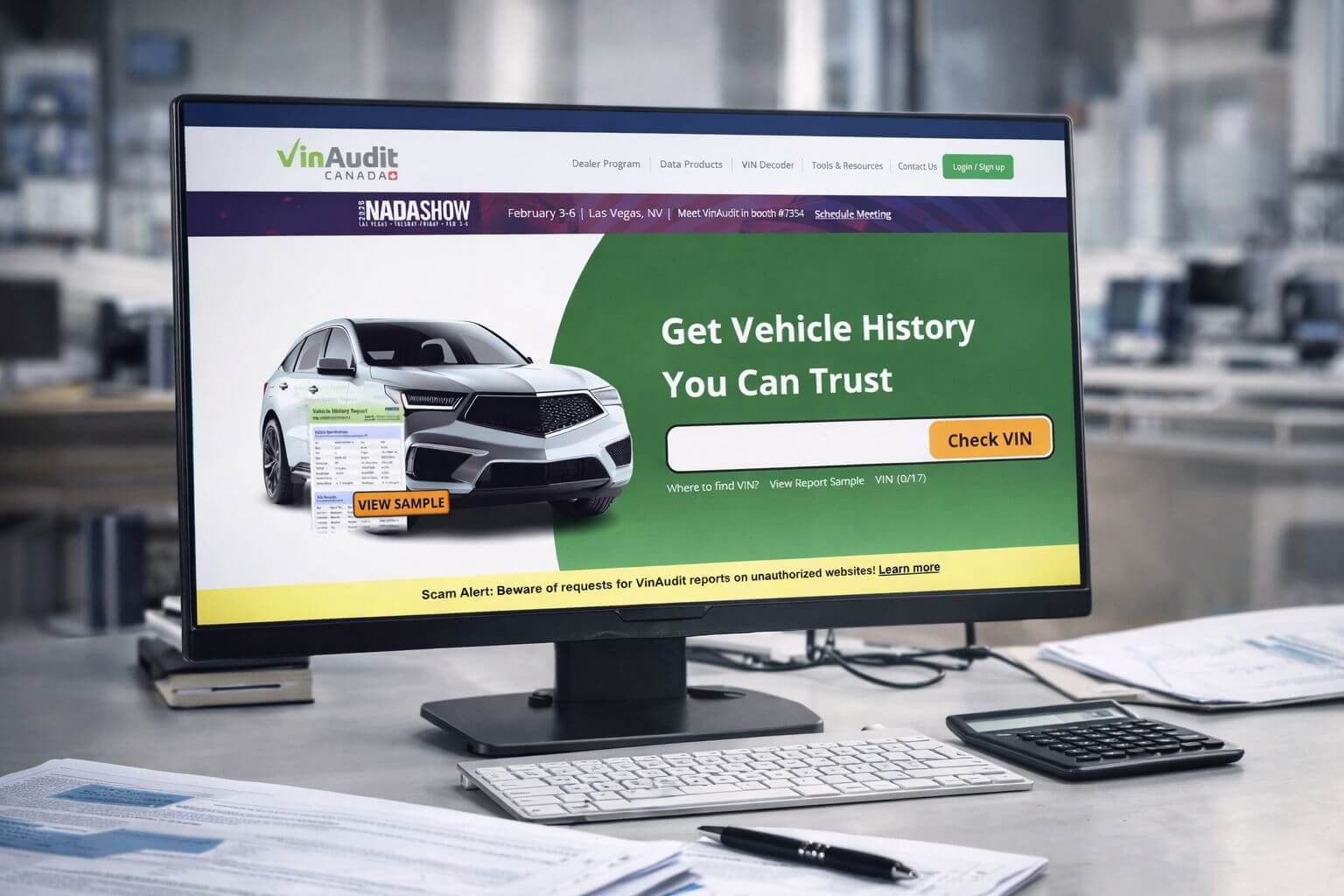
VinAudit focuses on providing VIN-based vehicle history information for Canadian buyers while maintaining a practical and transparent approach to coverage and limitations.
Rather than suggesting that a report can reveal everything, VinAudit is best used as one part of a safer buying process that includes VIN verification, document review, seller screening, and inspection. Buyers should also be aware of fraud tactics commonly used in private sales, misleading listings, and suspicious vehicle offers. Reviewing common used car scam warning signs can help buyers spot risks that may not appear in records alone.
How to Use a Vehicle History Report Properly
To get the most value from a report:
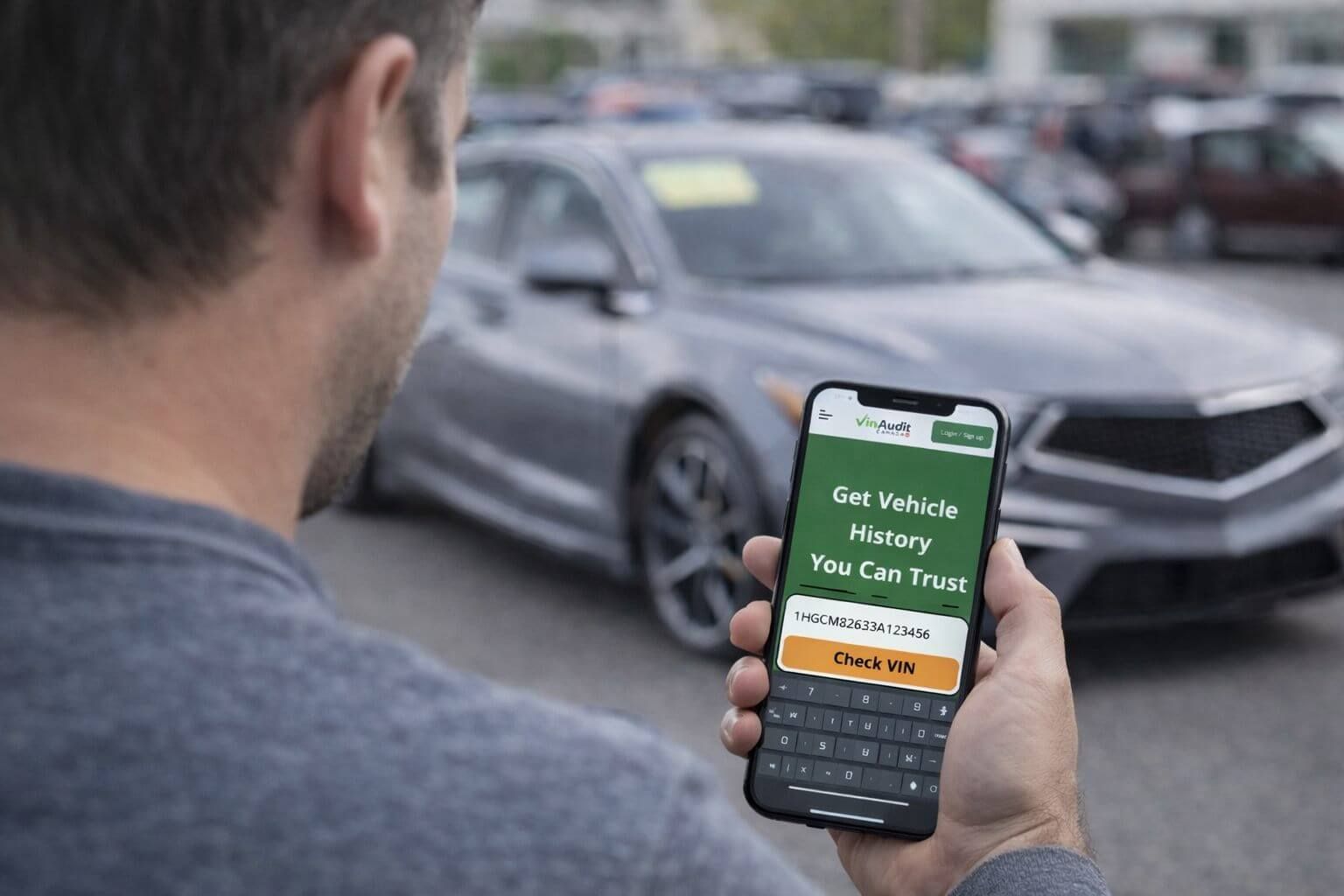
- Verify the VIN directly on the vehicle
- Compare it with the registration, title records, and seller documents
- Review the report for accident, theft, lien, or title-related concerns
- Investigate any inconsistencies before sending payment
- Combine report findings with a mechanical inspection
For buyers who want to start with VIN-based verification, reviewing a vehicle history report can help surface records and risk indicators tied to the vehicle. It is also smart to review common used car scam alerts before completing a private-party transaction.
Vehicle History Reports vs Common Buyer Assumptions
| Assumption | Reality |
|---|---|
| No report means no problems | Data gaps can still exist |
| Dealers disclose everything | Disclosure practices vary |
| Reports replace inspections | Inspections remain essential |
| A clean listing means a safe deal | Scams and misrepresentation still happen |
Understanding these realities leads to smarter and more cautious buying decisions.
Final Thoughts
So, is VinAudit legit? Yes, when used for its intended purpose. A vehicle history report is a legitimate and valuable tool for identifying risk indicators tied to a VIN, provided buyers understand both its strengths and its limitations.
The smartest approach is to use a VIN report as part of a broader process that includes verification, inspection, seller screening, and fraud awareness. When used responsibly, vehicle history tools can help buyers avoid costly surprises and make more confident decisions.